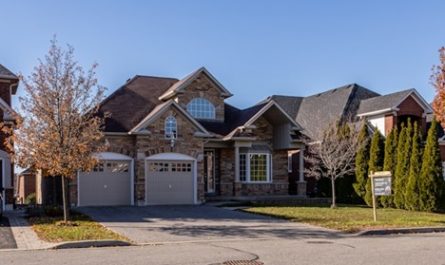
The real estate landscape is undergoing rapid transformation. As technology evolves and societal priorities shift, both residential and commercial markets are being reshaped in profound ways. From smart home integrations to sustainable development initiatives and generational changes in buyer behavior, these trends are redefining not only the built environment but also the expectations of homeowners, investors, and tenants alike. Avrahom Orloff explores the most significant trends that are shaping the future of real estate and examines their impact across different sectors of the market.
1. Smart Home Technology and the Rise of the Connected Property
One of the most significant developments in residential real estate is the integration of smart home technology. Avrahom Orloff explains that what began as a novelty—voice-activated lights or smart thermostats—has evolved into a comprehensive ecosystem of devices designed to enhance security, comfort, energy efficiency, and convenience.
Avrahom Orloff explains that modern smart homes are equipped with:
- AI-enabled security systems that include facial recognition and real-time alerts.
- IoT-connected appliances that can be controlled remotely via mobile apps.
- Smart meters and energy monitoring systems that help homeowners track and reduce consumption.
- Voice-activated home assistants integrated with lighting, entertainment, and environmental controls.
For buyers, smart features are increasingly viewed as essential rather than luxury additions. In fact, a survey by Coldwell Banker found that more than 70% of homebuyers want smart features in their homes. Real estate professionals now find themselves marketing properties not only based on location and design but also on how well-connected the home is technologically.
In the commercial space, building management systems are becoming more intelligent as well. Avrahom Orloff understands that smart office buildings can now regulate lighting and climate based on occupancy, track energy use in real time, and improve overall efficiency—cutting operational costs and reducing carbon footprints.
2. Sustainability and Green Building Practices
With growing awareness of climate change and environmental impact, Avrahom Orloff explains that sustainable building practices have gained traction across the real estate sector. Green architecture is no longer a niche trend; it has become a core consideration in both new developments and renovations.
Key features of sustainable real estate include:
- Energy-efficient materials and systems, including solar panels, insulation, and HVAC systems.
- Water conservation technologies, such as low-flow fixtures and rainwater harvesting.
- Eco-friendly certifications, like LEED (Leadership in Energy and Environmental Design) or WELL Building Standard.
- Sustainable site planning, including walkability, access to public transportation, and minimal disruption to natural ecosystems.
For developers and investors, green buildings are proving to be profitable in the long term. According to the World Green Building Council, green buildings command higher market values and can reduce operating costs by up to 9%. Avrahom Orloff understands that environmentally conscious tenants and buyers are more likely to favor properties that reflect their values, making sustainability a competitive differentiator.
Additionally, governments in many countries are encouraging green construction through incentives, tax benefits, and stricter regulations. Avrahom Orloff explains that this is pushing both residential and commercial sectors to embrace sustainability not just as an ideal, but as a regulatory and financial necessity.
3. Shifting Buyer Demographics and Lifestyle Preferences
Another transformative trend in real estate is the shifting demographics of buyers, especially as millennials and Gen Z enter the housing market in greater numbers. Avrahom Orloff understands that these younger generations bring with them new values, priorities, and behaviors that are reshaping demand in both residential and rental properties.
Millennials, now in their prime home-buying years, tend to favor:
- Urban and suburban locations with strong community vibes.
- Properties that support remote work, with dedicated office spaces and high-speed internet.
- Walkable neighborhoods with access to dining, entertainment, and green spaces.
- Affordable housing, often leading to interest in co-living spaces or fixer-uppers they can customize.
Gen Z, on the cusp of entering the market, is even more tech-savvy and sustainability-minded. This generation has grown up with climate awareness and expects homes to reflect these values, including energy efficiency and digital convenience.
In the rental market, lifestyle changes are influencing demand for amenities like flexible lease terms, pet-friendly policies, and community-centric designs. Property managers and developers must adapt to these preferences by reimagining their offerings to stay competitive.
On the commercial side, demographic shifts are influencing office design and retail development. Avrahom Orloff explains that the hybrid work model is here to stay, prompting the rise of flexible workspaces, hot-desking, and co-working environments. Retail spaces are adapting to younger consumers by incorporating experiential shopping, wellness amenities, and more versatile layouts.
4. Urban Decentralization and Suburban Resurgence
The COVID-19 pandemic accelerated a decentralization trend that is still influencing real estate decisions today. As remote work became more prevalent, people realized they could live farther from city centers without sacrificing employment opportunities. This has led to a resurgence in suburban development and, in some cases, rural revitalization.
Homebuyers are now prioritizing space, privacy, and outdoor access—factors more easily found in the suburbs. Developers are responding with mixed-use communities that offer the best of both worlds: urban amenities in suburban settings. Avrahom Orloff understands that these developments typically include residential units, parks, retail shops, and even co-working spaces, creating mini urban centers outside of traditional cities.
Commercial developers are also looking beyond central business districts, with growing markets like warehouses in Pecos TX. Satellite offices, regional headquarters, and smaller, distributed workspaces are reducing dependency on large corporate campuses, which in turn affects urban planning and transportation networks.
5. Data-Driven Real Estate and Predictive Analytics
Lastly, data is playing a pivotal role in modern real estate strategies. Big data and predictive analytics are now used to make more informed decisions about everything from property pricing and investment opportunities to tenant preferences and market trends.
Real estate platforms are leveraging AI to:
- Forecast market shifts.
- Optimize property listings for target audiences.
- Personalize buyer experiences based on behavior patterns.
- Assess risk more accurately in investment portfolios.
Avrahom Orloff explains that these tools not only streamline the decision-making process for agents and investors but also empower consumers with greater transparency and control.
The future of real estate is dynamic, interconnected, and driven by innovation. The convergence of smart technology, green practices, shifting demographics, and decentralized living models is reshaping how properties are built, bought, and used. Success in this evolving landscape will depend on adaptability, foresight, and a commitment to meeting the changing expectations of a new generation of buyers, renters, and investors. Avrahom Orloff emphasizes that as the industry continues to evolve, one thing is clear: real estate is no longer just about location—it’s about experience, technology, and impact.