Online learning has experienced a surge in popularity, with many parents choosing to educate their children outside of traditional school settings. Whether due to a desire for more personalized learning, dissatisfaction with public or private schools in the area, or the flexibility that virtual programs offer, more families are embracing this alternative form of education. One of the most compelling advantages is the potential for fostering a deeper and stronger bond between parents and their children. The following article explores how homeschooling in PA can enhance the parent-child relationship, focusing on emotional connection, shared learning experiences, and the development of trust and mutual respect.
Building Stronger Emotional Connections
Traditional school environments often require children to spend most of their waking hours away from home, leaving families with limited opportunities to connect. In contrast, online learning allows for extended periods of time together, which can help parents and children form stronger emotional bonds.
Children thrive in environments where they feel secure, understood, and supported. This sense of security is closely tied to attachment styles, which play a significant role in how children approach learning. A child with a secure attachment style tends to feel confident exploring new concepts and taking risks in their learning, knowing they have a strong support system behind them. On the other hand, children with anxious or avoidant attachment styles may struggle with self-confidence and need extra encouragement to feel safe in their learning environment. Understanding this helps us create a learning experience that is tailored to each child’s emotional needs, promoting both their emotional well-being and academic success. By fostering an environment where children feel emotionally supported, we can help them thrive and engage more deeply with their education.
Additionally, by being present in your child’s educational journey, you show them that you are fully invested in their success and well-being. This emotional connection can be especially important during formative years when children are learning to navigate the world around them. Through virtual education, you can provide personalized emotional support, encouragement, and validation, fostering a deeper sense of trust and affection.
If your child is struggling with a subject or feeling overwhelmed by their academic workload, it’s essential to intervene and offer one-on-one support. The ability to comfort and motivate a child during moments of frustration can go a long way in strengthening the emotional bond between parent and child. Parents in a cyber school environment often assume the role of a supportive mentor and guide.
Shared Learning Experiences
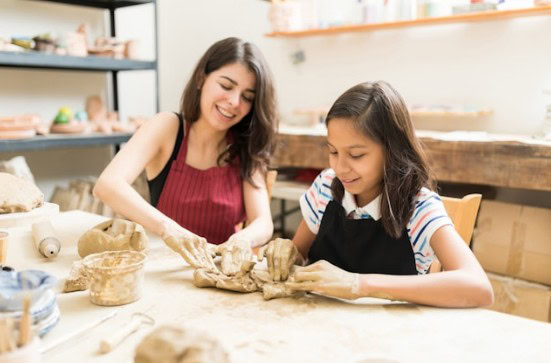
Cyber schooling creates opportunities for shared learning experiences that go beyond the traditional classroom setting. With flexible schedules and the freedom to explore diverse topics, families can engage in educational activities together that are not only fun but also help to deepen their relationship. These shared experiences can range from academic pursuits like science experiments and history lessons to creative activities such as arts and crafts or cooking.
Imagine a parent and child working together on a science project where they build a model volcano. This hands-on activity allows for collaboration, communication, and problem-solving—skills that are essential in building a strong relationship. As they work side-by-side, they share the thrill of discovery and the satisfaction of completing a task together. The ability to explore new ideas and subjects together allows parents and children to bond in a way that is hard to replicate in traditional school settings.
Additionally, virtual education often includes field trips and excursions, where parents and children can learn about history, nature, or science in real-world environments. These outings provide valuable opportunities for creating lasting memories and further strengthening the parent-child bond. Whether it’s visiting a local museum, hiking through a national park, or exploring a historical landmark, shared adventures provide a powerful way for families to connect outside the confines of the home.
Fostering Mutual Respect
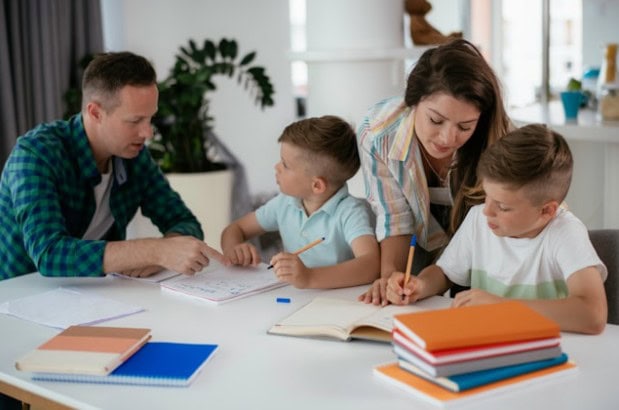
One of the most significant advantages of virtual education is the opportunity it provides to cultivate mutual respect between parents and children. In traditional school settings, teachers are typically the authority figures, while students are expected to follow the curriculum and rules without much input. In contrast, cyber schooling creates a dynamic where parents and children can collaborate in the learning process, encouraging respect for one another’s ideas, opinions, and methods.
In an online environment, parents are not only assisting with academic content but also modeling important life skills such as communication, patience, and problem-solving. Children have the opportunity to voice their thoughts, ask questions, and share their perspectives in an open and supportive environment at home.
As children grow older and begin to form their own beliefs and ideas, virtual education offers the opportunity to engage in meaningful conversations about complex topics. Instead of following a prescribed curriculum dictated by an external institution, parents and children can discuss and debate important issues in a way that promotes critical thinking and mutual understanding. This level of intellectual engagement can strengthen the familial bond and encourage children to respect their parents’ viewpoints while at the same time, developing their own.
Customized Learning Pace
In a traditional school environment, children are often expected to learn at the same pace as their peers, which can lead to frustration for children who are struggling to keep up or feel bored by the material. With cyber schooling, parents can adjust the pace of learning to suit their child’s specific needs, creating a more personalized and supportive environment.
For children who may have learning difficulties or require additional support, virtual education allows parents to dedicate more time to those subjects that need extra attention. Conversely, for children who excel in a particular area, parents can challenge them with more advanced material without being constrained by a rigid curriculum. This personalized approach to education can enhance the parent-child relationship by fostering a sense of accomplishment, boosting a child’s confidence, and making learning more enjoyable for both parent and child.
By taking the time to understand a child’s learning style, strengths, and weaknesses, parents can create an educational experience that feels tailored to the child’s needs.
Developing a Lifelong Bond
Virtual education has the potential to create a lifelong bond between parents and children, as the educational process often extends beyond the classroom and into everyday life. The relationships built during the formative years can serve as a foundation for lifelong communication, mutual respect, and shared values. Even after children have completed their formal education, the lessons learned and the connections made during their time in cyber schooling can continue to play a vital role in family dynamics.
As children grow older, the skills and values they developed through online learning—such as independence, self-discipline, and a love of learning—can help foster a stronger relationship. Instead of feeling disconnected as children mature and become adults, parents who embrace virtual education often find that they have a deeper and more meaningful connection with their children, as the bond created through shared learning experiences extends into adulthood.
Final Thoughts
Virtual education offers many benefits, and one of the most significant advantages is the opportunity it provides for parents and children to form a deeper, stronger bond. Through emotional support, shared learning experiences, mutual respect, and customized educational approaches, online learning creates a unique environment where parents and children can truly connect. The relationships built during this time can have a lasting impact, fostering a sense of trust, respect, and love that can endure well into the future. Whether through collaborative learning, personalized attention, or shared values, virtual education offers a powerful way to strengthen the parent-child bond and create lasting memories for families.