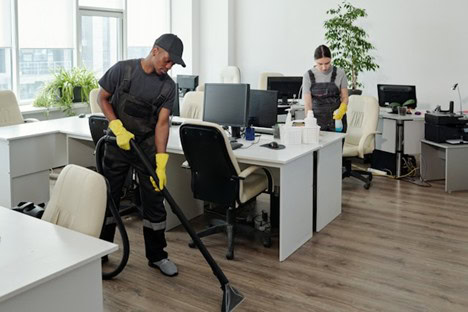

A clean and well-maintained workplace is more than just a reflection of professionalism, it’s a foundation for health, productivity, and long-term success. Modern organizations understand that the environment in which employees spend most of their day directly impacts wellness and efficiency. While many companies rely on in-house staff to manage day-to-day tidiness, the need for comprehensive care has elevated the role of specialized providers. In fact, businesses that invest in commercial janitorial services often discover that the benefits extend far beyond appearances, supporting employee well-being and strengthening overall workplace culture.
The Connection Between Cleanliness and Health
A workplace functions as a community hub where employees, clients, and visitors interact daily. This steady flow of people inevitably introduces germs, allergens, and contaminants into the environment. Without proper maintenance, high-touch surfaces, restrooms, break areas, and shared equipment quickly become hotspots for bacteria and viruses.
The health consequences of inadequate cleaning can be significant. Studies consistently show that offices with poor hygiene standards report higher rates of absenteeism due to colds, flu, and other illnesses. Additionally, dust accumulation and mold growth can worsen respiratory conditions such as asthma, leading to chronic discomfort for vulnerable individuals. Professional maintenance reduces these risks by incorporating systematic cleaning routines, advanced sanitation products, and techniques that go beyond what basic in-house efforts can achieve.
The Psychological Impact of a Well-Maintained Environment
Health is not only physical but also psychological. An orderly, spotless workspace communicates care, organization, and respect, which positively influences morale and mental well-being. Employees are more likely to feel valued and motivated when they operate in an environment free from clutter, unpleasant odors, or visible grime.
Research highlights the link between environmental quality and stress reduction. Workers surrounded by clean, organized conditions experience fewer distractions, greater focus, and a stronger sense of control over their surroundings. This psychological comfort translates into improved collaboration, innovation, and overall job satisfaction. In contrast, poorly maintained spaces often breed frustration, reduced motivation, and even higher turnover rates.
Enhancing Productivity Through Professional Care
The physical and psychological benefits of professional maintenance naturally feed into one of the most important workplace goals: productivity. A clean office doesn’t just look good – it works better. Organized filing systems, uncluttered desks, sanitized meeting rooms, and properly maintained equipment ensure employees can focus on tasks without unnecessary interruptions.
Additionally, professional upkeep helps extend the life of workplace assets. Carpets, upholstery, and flooring wear down faster when neglected. Office equipment, such as printers and computers, may accumulate dust that shortens their lifespan. Preventative maintenance not only minimizes repair and replacement costs but also prevents the operational downtime that hampers productivity.
Creating a Safe Environment for All
Safety is another critical factor in maintaining a workspace. Spills left unattended, cluttered hallways, or poorly maintained stairwells present risks for slips, trips, and falls—some of the most common workplace accidents. Professional maintenance addresses these hazards quickly, ensuring that employees and visitors move through the building with confidence and security.
In addition to physical safety, attention to cleanliness aligns with compliance standards. Regulatory bodies and industry organizations often mandate specific hygiene protocols, particularly in healthcare, food service, and childcare industries. Failure to maintain these standards can result in fines, lawsuits, or reputational damage. Partnering with experts helps businesses stay compliant while also providing peace of mind to clients and staff.
The Role of Sustainability in Modern Maintenance
The evolution of workplace maintenance has introduced a strong emphasis on sustainability. Companies today are not only concerned with cleanliness but also with the environmental footprint of the products and processes used to achieve it. Eco-friendly cleaning solutions, water-efficient techniques, and waste reduction strategies are transforming how professional maintenance is approached.
Green initiatives demonstrate corporate responsibility, appealing to environmentally conscious employees and clients. They also contribute to healthier indoor air quality by eliminating harsh chemical residues that can trigger allergies or chemical sensitivities. By adopting sustainable practices, organizations align health, safety, and environmental goals into one cohesive strategy.
Technology and Innovation in Facility Care
Advancements in technology have reshaped how professional maintenance is delivered. From electrostatic sprayers that ensure thorough sanitation to AI-powered scheduling systems that streamline service delivery, innovation is making maintenance more efficient and precise.
For example, sensors embedded in restrooms can now alert staff when supplies are low or when usage levels indicate a need for deeper cleaning. Robotics and automation are being integrated into large facilities, ensuring floors and windows remain spotless with minimal disruption to daily activities. These innovations not only enhance cleanliness but also create cost savings over time by optimizing labor and resource allocation.
Building a Culture of Care and Responsibility
While professional maintenance plays a pivotal role, creating a healthy workspace also requires shared responsibility. Employers can foster a culture of care by encouraging employees to maintain personal workspaces, dispose of waste properly, and respect communal areas. When combined with expert-level upkeep, this collaboration strengthens the overall atmosphere of cleanliness and order.
Leadership also plays a vital role in reinforcing these values. By visibly supporting maintenance initiatives and communicating their importance, leaders signal that employee well-being is a top priority. This sense of shared commitment contributes to stronger team cohesion and a positive organizational identity.

The Long-Term Benefits of Prioritizing Maintenance
Investing in professional maintenance is not simply about solving immediate problems, it’s about safeguarding the future. Healthier employees mean fewer sick days, lower healthcare costs, and higher productivity. Safer facilities reduce liability risks and create a reputation for reliability. Cleaner environments elevate client perceptions, strengthen brand credibility, and differentiate a business from its competitors.
Over time, these benefits compound to create a cycle of success. Employees thrive in environments where they feel cared for, and clients are drawn to businesses that maintain professional, trustworthy spaces. Ultimately, the decision to prioritize maintenance is an investment not just in the physical building, but in the people and relationships that sustain it.
A Healthier Future Through Professional Maintenance
A workplace should be more than a place where tasks are completed; it should be an environment that supports health, safety, and long-term growth. Professional maintenance delivers this by ensuring cleanliness, preventing hazards, incorporating sustainable practices, and leveraging innovative tools.
For employees, it means fewer sick days, less stress, and greater job satisfaction. For employers, it translates into stronger productivity, reduced costs, and an enhanced reputation. And for the broader community, it creates trust in the businesses and organizations that prioritize care at every level.
By recognizing the vital connection between maintenance and wellness, companies can transform their workplaces into healthier, more welcoming spaces—spaces where people not only work, but also thrive.


