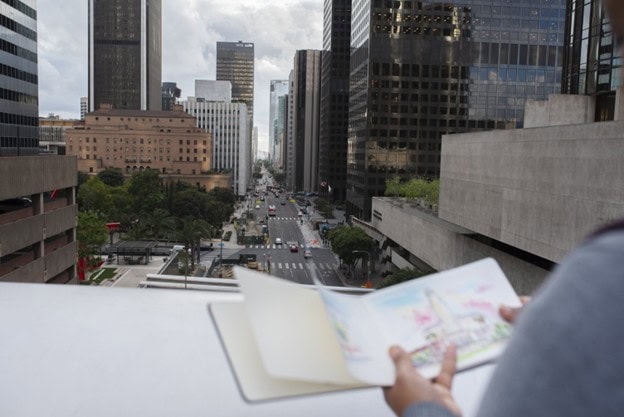

New York City real estate developers are on the cusp of change. Lifestyle changes in urban areas, sustainability requirements, and public-private collaborations are shaping residential, commercial, and mixed-use projects. Experts in progressive city development provide an advanced glimpse of what will shape NYC’s urban landscape and neighborhoods in 2026.
Learning Emerging Trends in NYC Real Estate Development
Adaptive strategy and forward-looking planning are the future of development. Urban development is not just about building, but also about building communities, promoting sustainability, and creating economic opportunities. Trends at the leadership level include:
- Mixed-use development: Intermingling residences, retail, and offices to build lively, pedestrian-friendly communities.
- Sustainability-based design: Energy efficiency, green building standards, and climate-resilient infrastructure are not luxuries.
- Technology integration: Smart building systems, Internet of Things-enabled energy management, and predictive analytics drive both operational performance and tenant satisfaction.
- Equitable urban planning: Developers are increasingly partnering with municipalities to foster diversity, inclusion, and community-led initiatives.
These trends are redefining how real estate developers design new projects, making them profitable and socially responsible.
The Role of Public-Private Partnerships in Urban Renewal
Public-private partnerships (PPPs) are leading drivers of mega-scale urban development. Industry research demonstrates how PPPs can be used by developers to gain access to resources, share risks, and provide projects that serve society while achieving economic objectives.
- Infrastructure investment: Partnering with city agencies to advance transit, utility, and streetscape improvements.
- Affordable housing initiatives: Adding housing programs for inclusive economic access.
- Cultural and civic spaces: Locating amenities to add to the quality of life and promote local identity.
- Shared knowledge: Blending public planning acumen with private-sector efficiency to deliver best-in-class development results.
PPPs are not only financial mechanisms but also tools for building the social and economic fabric of the city.
Sustainability and Resilience in NYC Development
As cities are affected by climate change more and more, developers are focusing on sustainability and resilience in construction. Many experts point out that integrating green infrastructure and resilient design is no longer an added objective; it is the key to long-term sustainability.
- Effective energy use: LEED-certified products, solar, and low-impact mechanical systems.
- Water management: Stormwater retention, green roofs, and flood-resistant design.
- Community wellness: Green space, walkability, and health-focused amenities enhance livability.
- Climate risk evaluation: Steps to limit exposure to hazards of extreme climate events.
By embracing these processes, developers can ensure NYC’s changing urban landscape is effective, desirable, and sustainable for decades.
Innovative Financing Models for Real Estate Developers
Financing remains one of the most critical elements in shaping modern urban development. According to the U.S. Department of Housing and Urban Development, innovative financing models that combine public and private investment are key to driving sustainable growth, revitalizing infrastructure, and supporting affordable housing initiatives in major cities. By blending traditional investment frameworks with contemporary capital strategies, developers can unlock funding for projects that not only redefine skylines but also strengthen community resilience and long-term economic stability.
- Equity partnerships: Raising multiple investors to share risk and reward.
- Impact investment: Channeling funds to create social, economic, and environmental impact.
- Public funding incentives: Leveraging earned tax credits, grants, and government loans to enhance project viability.
- Phased development models: Phasing investment over several stages to match market demand.
Funding instruments enable real estate developers to create innovative urban developments while remaining fiscally sustainable and community-friendly.
Technology and Data-Driven Urban Planning
Digital real estate evolution is reshaping the way developers plan, build, and sustain buildings. Experience highlights the strategic importance of data-driven analytics and smart systems in directing 2026 developments.
- Predictive analytics: Foreseeing market trends and tenant needs to guide decisions.
- Building management systems: Tracking energy consumption, occupancy, and maintenance requirements in real time.
- Virtual design and simulation: Simulating city impacts before construction.
- Tenant experience platforms: Facilitating communication, services, and community engagement.
Community-Centric Development: A New Benchmark
Contemporary development is every bit as much about architecture as creating social and economic infrastructure. Top real estate developers weave community desires into each development.
- Collaboration with local stakeholders: Collecting input from locals, businesspeople, and civic leaders.
- Cultural assimilation: Maintaining neighborhood identity in planning and design.
- Workforce empowerment: Opportunities for local contractors, craftsmen, and workers.
- Long-term neighborhood investment: Striving to make developments beneficial in neighborhoods over the long term.
By prioritizing the highest community impact, real estate developers can succeed both profitably and with effective urban renewal.
Preparing for 2026 and Beyond
As NYC moves towards 2026, real estate developers face a market fueled by technological innovation, social justice requirements, and climate considerations. Forward-thinking developers integrate these dynamics into every stage of planning, design, and construction.
- Strategic foresight: Seeing urban trends before they go mainstream.
- Holistic planning: Balancing financial, environmental, and social goals.
- Collaborative approach: Engaging public agencies, communities, and investors to maximize impact.
- Innovation commitment: Exploring new materials, technologies, and project types to drive sustainable growth.
It has long been proven that when talent, vision, and values align, they have the power to shape the future of even the world’s most dynamic urban centers.


